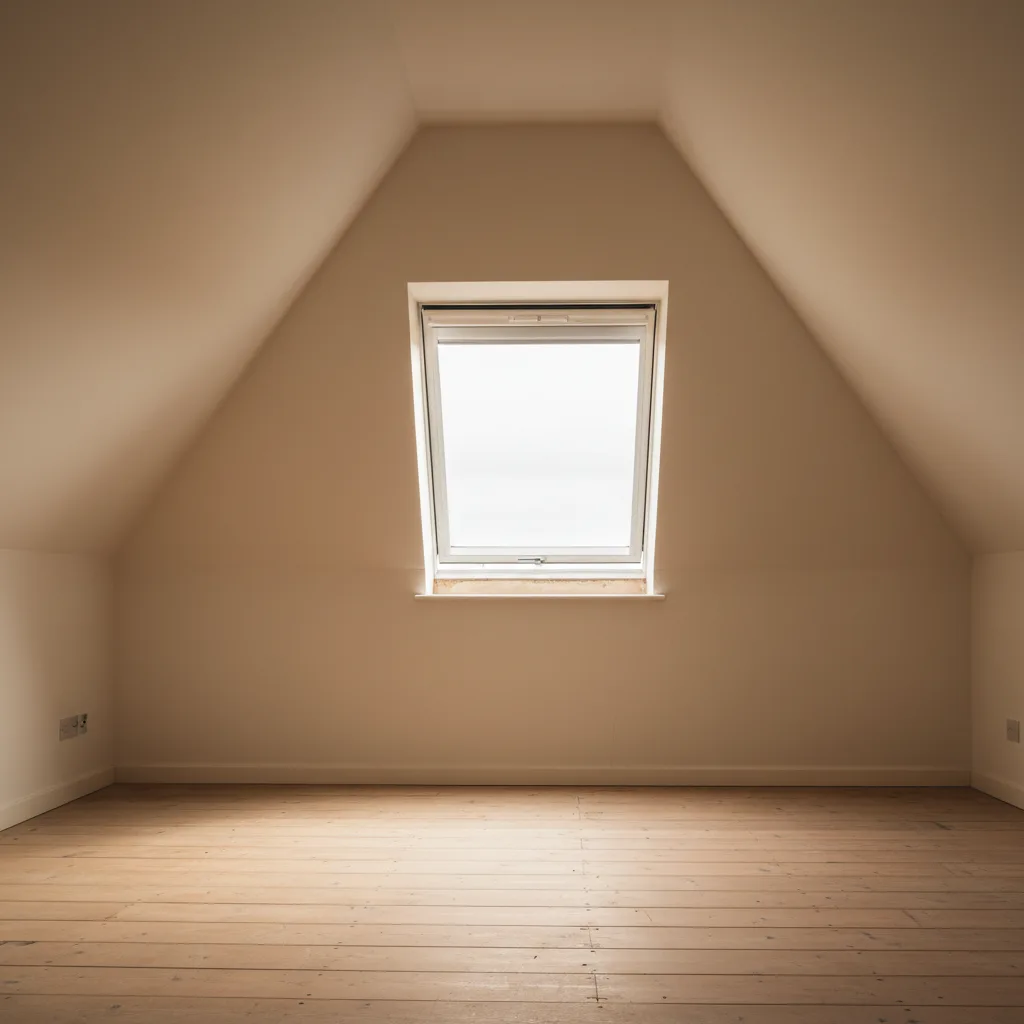
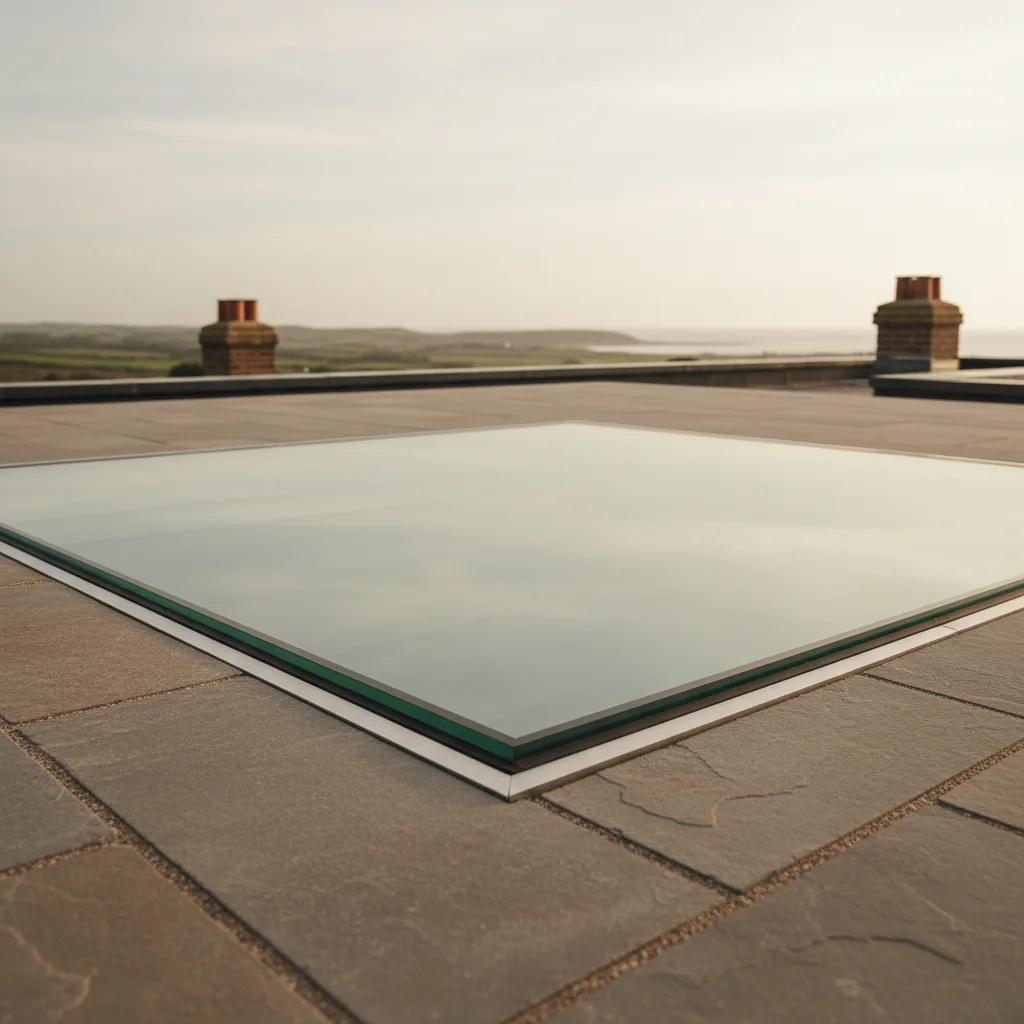
Poole is not one exposure, and that is the reason this site is organised the way it is. The town wraps around the second largest natural harbour in the world, so within about four miles the conditions a skylight has to survive change completely. Most south-coast specification advice is therefore wrong here in two directions at once.
Sandbanks and Creekmoor are roughly four miles apart. One sits on a sand spit with open water on both sides, taking the prevailing south-westerly with no fetch break to slow the salt. The other sits behind Poole’s western suburbs on the heathland edge, where the worst a frame meets is ordinary rain. Specify them the same way and you are wrong twice: once by overcharging, once by under-protecting.
So the survey names the band your roof sits in before it names a product, and the reason goes on the quote where you can check it. The short version for the whole service area:
| Exposure band |
Where it applies |
What changes in the specification |
| Severe marine |
Sandbanks, the harbour mouth, Studland, Mudeford, Portland |
Marine-grade coastal coating, A4 (316) stainless fixings throughout, non-ferrous flashing clips, uplift-rated fixing centres |
| Open coast |
Bournemouth and Christchurch seafronts, Swanage, Barton on Sea, Milford on Sea, Weymouth |
Coastal coating and A4 fixings on anything in sight of open water; wind loading calculated rather than assumed |
| Harbour shore |
Hamworthy, Lower Parkstone, Upton, Wareham, Lymington |
Salt is present but the south-westerly is broken by land first; coastal coating, standard uplift, closer attention to drainage |
| Wooded and elevated |
Canford Cliffs, Branksome Park, Burley, Brockenhurst |
Pine needles, sap and shade rather than salt; self-cleaning glass earns its place and the drainage detail matters more than the coating |
| Inland |
Broadstone, Creekmoor, Wimborne Minster, Ferndown, Verwood, Ringwood |
Standard architectural coating and A2 fixings. Marine-grade here is money spent on a threat that is not there |